
Your skin isn’t always telling you something’s wrong—sometimes it’s just telling you what you ate. Dermatologists are reporting a sharp uptick in patients convinced they have a chronic condition, only to discover the real culprit was a recent shift in their eating habits.
Most people assume skin changes signal illness, infection, or aging. But research now shows that many common complaints—from sudden breakouts to changes in texture—trace directly back to nutritional shifts, not medical problems.
Here’s what the data actually says.
#14 — Sudden Hand Dryness After Cutting Carbs

Low-carb and ketogenic diets trigger a rapid water loss that shows up first in your extremities.
When you slash carbohydrate intake, your body burns through stored glycogen, which binds water at a ratio of roughly three grams of water per gram of glycogen. That water exits through urine, and your skin loses its plumpness within days.
Your hands reveal it first because the skin there is thinner and has fewer oil glands than other areas. What looks like eczema or dermatitis is often just dehydration expressing itself at the surface.
People on keto forums often mistake this for a “detox rash,” but it’s simple fluid mechanics.
Rehydrating helps, but it won’t fully reverse the effect while carbs stay low. The skin adapts over several weeks as oil production adjusts.
But that’s nothing compared to #13…
#13 — Orange-Tinted Palms From Juicing Cleanses

If your palms and nose are turning faintly orange, you’re not developing jaundice—you’re overdoing beta-carotene.
Juicing cleanses that lean heavily on carrots, sweet potatoes, and butternut squash flood the system with carotenoids. Your liver processes what it can, but excess carotenoids get deposited in the skin’s fat layer.
The condition is called carotenemia, and it’s completely harmless. Unlike jaundice, which also yellows the whites of your eyes, carotenemia leaves the sclera clear.
It shows up most noticeably on palms, soles, and around the nose because those areas have thicker skin with more fat to absorb the pigment. The effect fades over two to six weeks once you dial back the orange vegetables.
Doctors use it as a diagnostic clue in pediatrics—kids who drink too much carrot juice often present with orange skin, prompting parents to panic unnecessarily.
Still, #12 catches even more people off guard…
#12 — Scalp Flaking Within Weeks of Going Vegan
New vegans often develop scalp flaking that looks like seborrheic dermatitis but resolves with a single nutrient adjustment.
The most common trigger is a sudden drop in omega-3 fatty acids and B vitamins, particularly B12 and biotin. Animal products provide these in forms the body absorbs easily, and plant-based diets require deliberate supplementation or fortified foods to match those levels.
Without adequate essential fatty acids, sebum production changes. The scalp produces flakes that aren’t true dandruff but rather a response to altered oil chemistry.
Zinc deficiency compounds the problem, since zinc regulates oil gland function.
Many people add flaxseed or chia for omega-3s, but the conversion rate from ALA to the active forms DHA and EPA is only 5–10% in most adults. Algae-based supplements bypass that conversion issue entirely.
The flaking typically improves within three to four weeks of addressing the gaps. Some people see results faster with a topical oil treatment while the internal nutrition catches up.
Wait until you see what happens in #11…
#11 — Bruising More Easily on Extreme Calorie Restriction
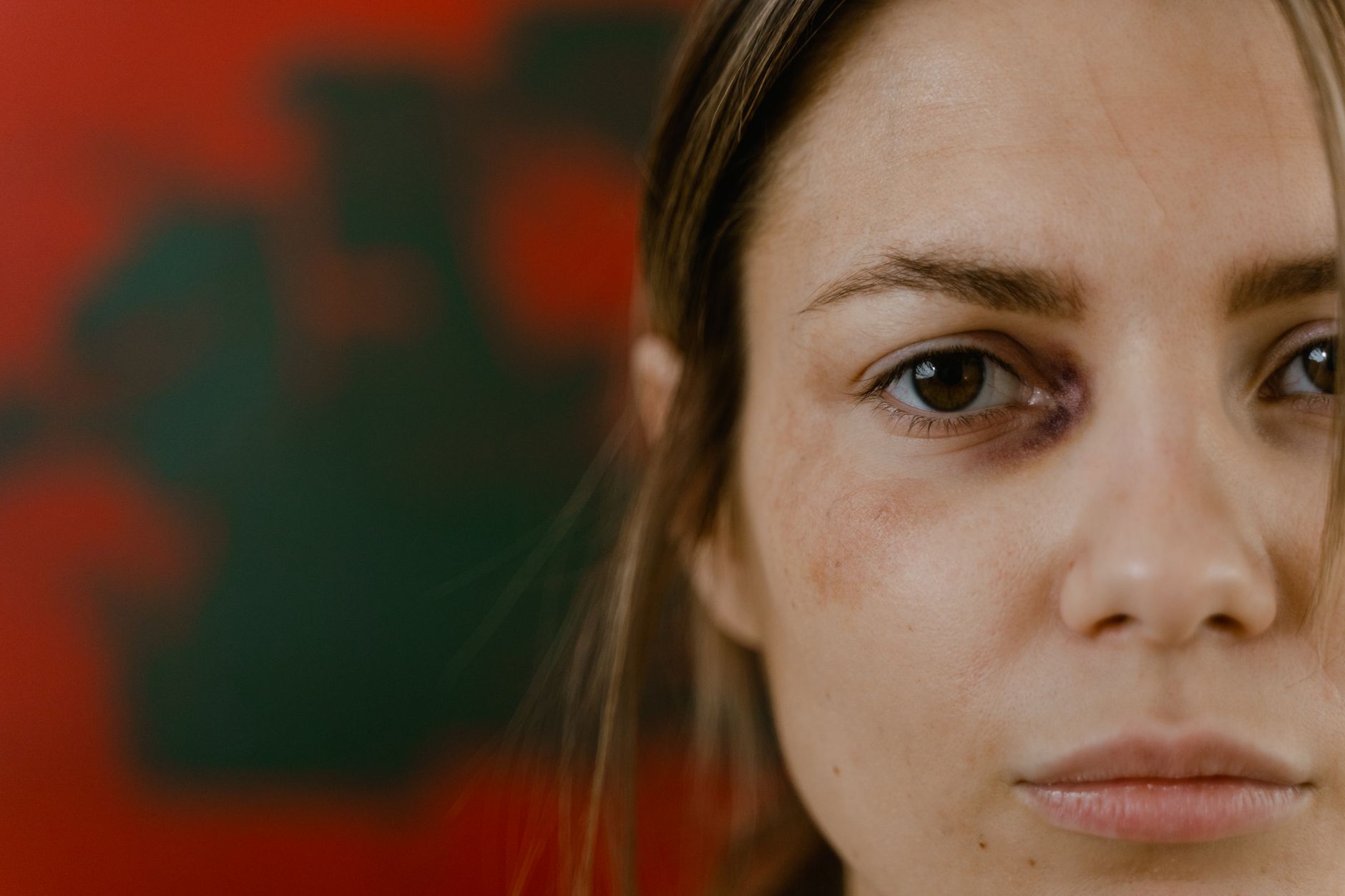
When bruises start appearing from minor bumps, the issue often isn’t a blood disorder—it’s insufficient vitamin C and bioflavonoids from undereating.
Crash diets and very low-calorie plans often eliminate fruits and many vegetables to stay under calorie targets. Vitamin C is essential for collagen synthesis, and without it, capillary walls become fragile.
You don’t need full scurvy to see the effects. Even mild depletion weakens the tiny blood vessels just under the skin’s surface.
Bruises appear larger and darker than they should because the compromised vessels leak more blood into surrounding tissue. They also take longer to fade because collagen repair is slower.
The fix is straightforward: a single orange or bell pepper daily provides enough vitamin C to reverse the deficiency within two weeks. Supplements work, but whole foods deliver bioflavonoids that support the vitamin’s absorption.
People on meal-replacement shakes sometimes see this if their formula is low in C. The skin tells you what the label doesn’t.
And #10 reveals another surprise…
#10 — Vertical Nail Ridges From Intermittent Fasting
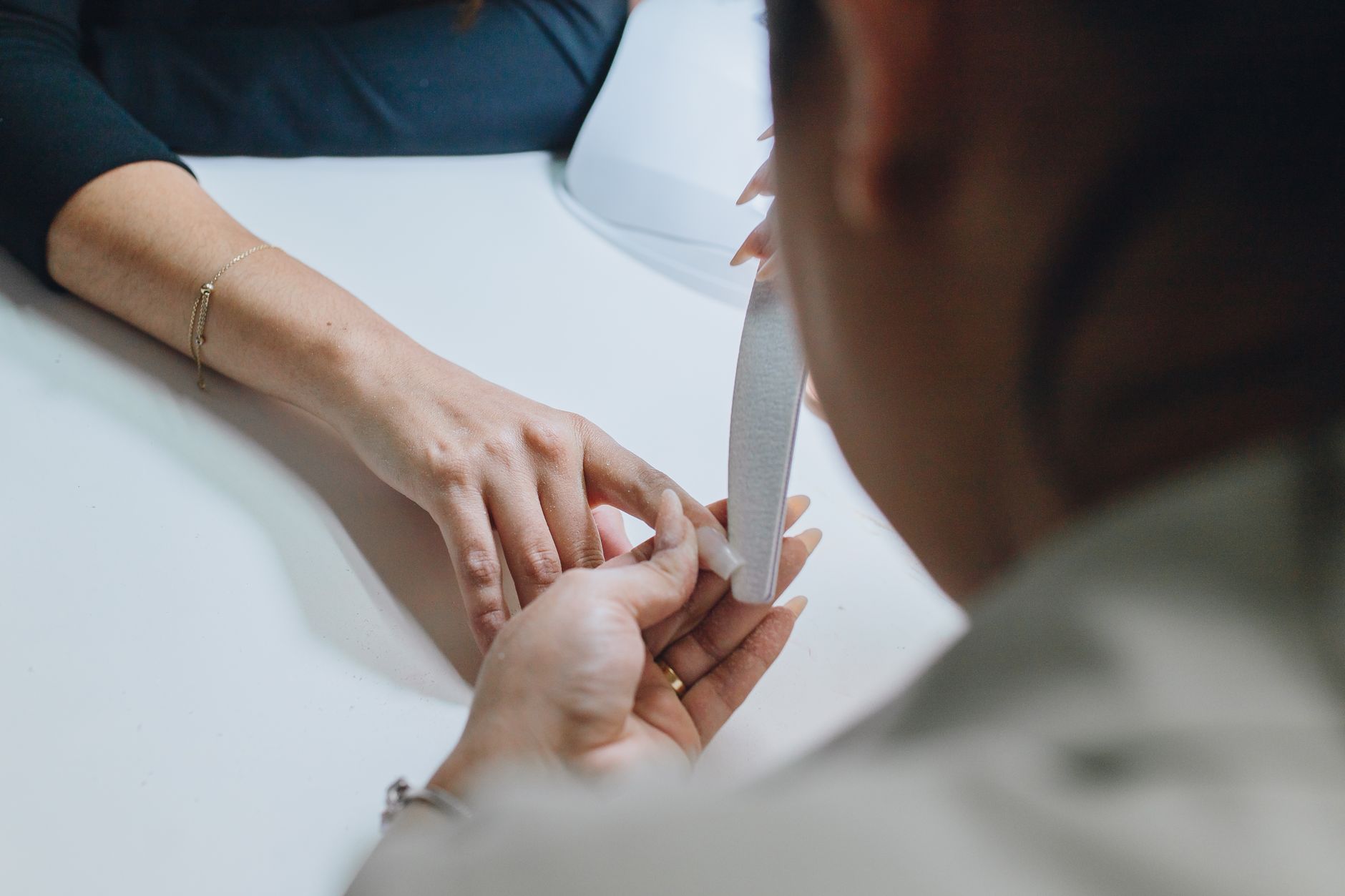
Ridges running from cuticle to fingertip often show up in people practicing extended fasting windows.
Nails grow from the matrix at the base, and they require a steady supply of protein, iron, and B vitamins. Intermittent fasting compresses eating into a narrow window, and many people struggle to fit in adequate nutrition during that time.
The result is a disruption in the nail’s growth cycle. What emerges weeks later—since nails grow slowly—is a series of vertical lines that weren’t there before.
These ridges are different from horizontal lines, which usually indicate a sudden illness or severe stress.
Iron is the most frequent gap because absorption is limited by meal timing and the presence of other nutrients. Heme iron from animal sources absorbs better than plant-based iron, and fasting schedules sometimes cut out the meals where people would normally eat meat.
The ridges smooth out once nutrient intake stabilizes, but the visual record of the deficiency stays until that section of nail grows out completely. It’s a delayed signal, which is why people rarely connect it to the diet change.
But #9 is even more common…
#9 — Sudden Acne Flares From High-Protein Diets
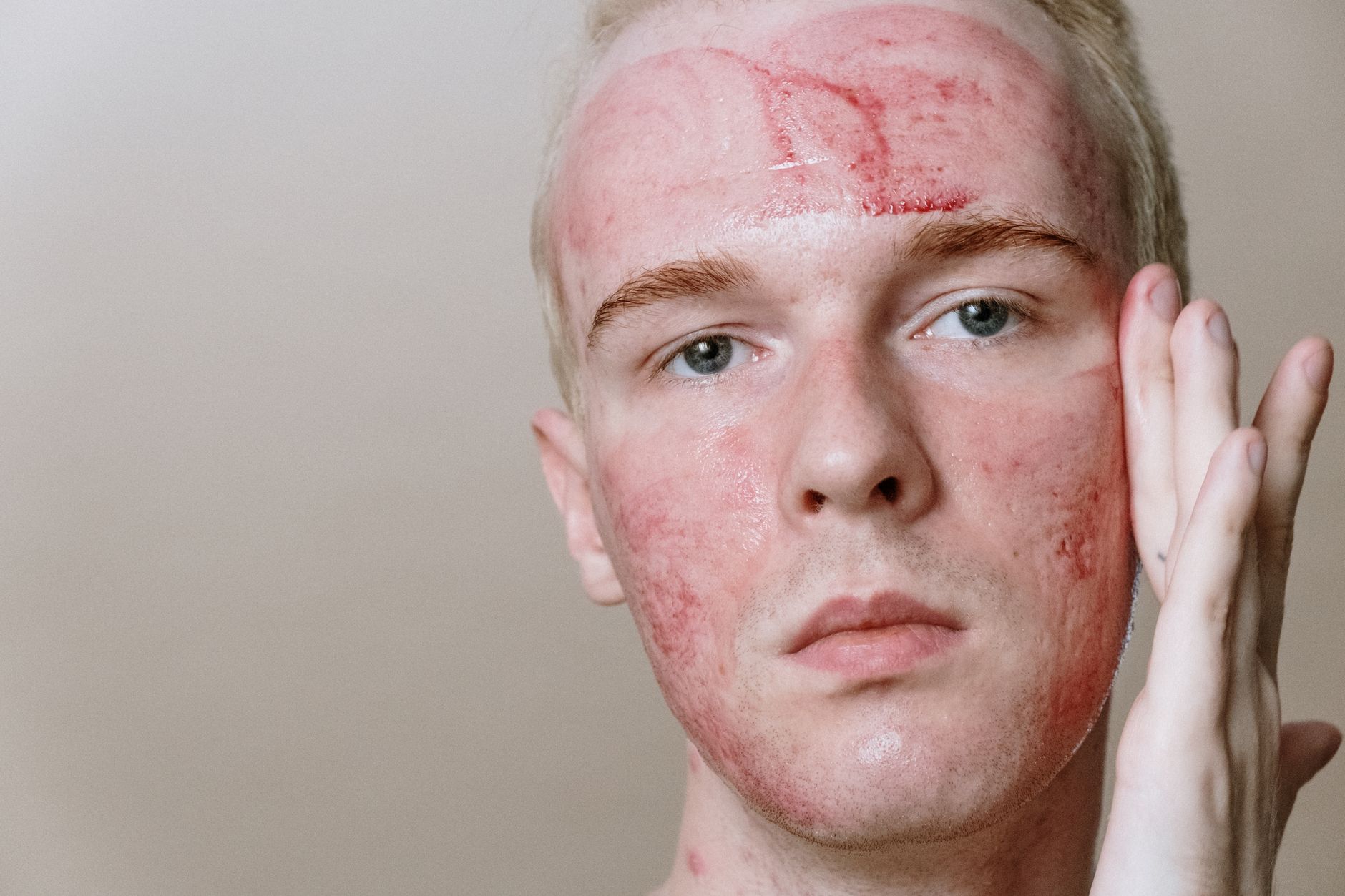
Bodybuilders and fitness enthusiasts often report breakouts when they ramp up protein intake, especially from dairy-based sources.
Whey protein in particular contains bioactive hormones and growth factors that survive digestion and interact with sebaceous glands. These compounds can increase oil production and trigger inflammation in people who are already prone to acne.
Casein, the other major milk protein, has a slower and less pronounced effect but can still contribute in high doses. The breakouts typically cluster along the jawline and chin, areas most sensitive to hormonal fluctuation.
This isn’t an allergy or intolerance—it’s a dose-dependent reaction. People who consume two or three shakes a day see worse effects than those who stick to one.
Plant-based proteins like pea, rice, and hemp don’t carry the same hormonal load and rarely trigger the same skin response. Switching sources often clears the breakout within two to three weeks without reducing total protein intake.
Some people can tolerate whey isolate, which has less lactose and fewer bioactive fragments than concentrate forms. Trial and error reveals individual thresholds.
And then there’s #8…
#8 — Itchy Skin From Sudden Fat Restriction
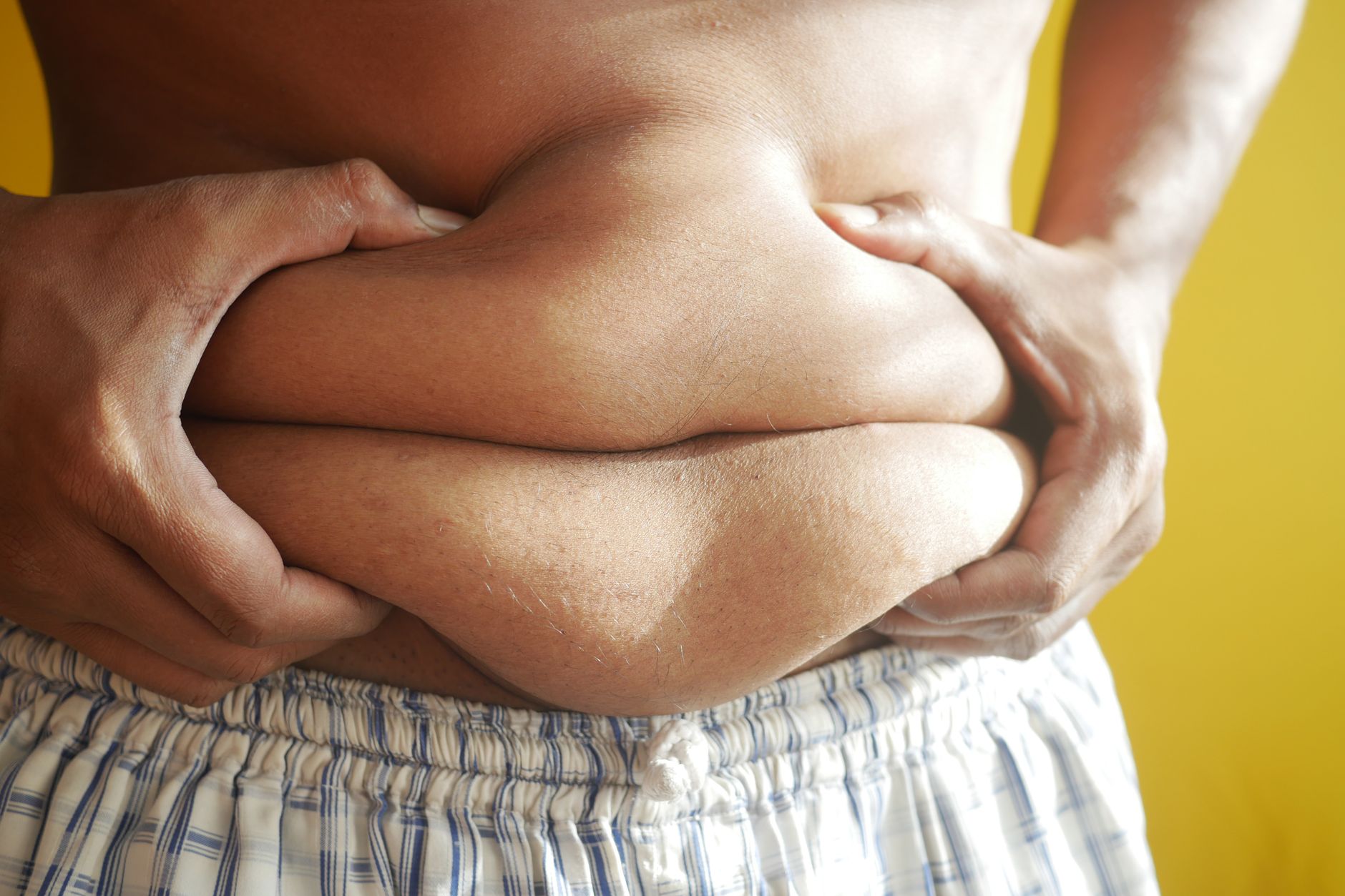
When people cut fat intake too low, the skin loses its ability to retain moisture from the inside out.
Essential fatty acids are building blocks of the lipid barrier that keeps water in your skin cells. Without adequate dietary fat, that barrier thins, and transepidermal water loss accelerates.
The itch starts as a general dryness, then progresses to a persistent crawling sensation that moisturizers can’t fully relieve. It’s most noticeable on the shins, forearms, and back—areas that naturally have less oil production.
Fat-free diets were popular in the 1990s, and dermatology journals from that period are full of case studies describing this exact pattern.
The body prioritizes fat for vital organs and hormone production, so the skin is one of the first places to show deficiency. Even people eating enough calories will see this if fat drops below 20% of total intake for several weeks.
Restoring fat intake reverses the condition, but it takes four to six weeks for the lipid barrier to rebuild fully. In the meantime, topical oils provide temporary relief but don’t address the root cause.
The next one, #7, surprised even dermatologists…
#7 — Pale Skin and Dark Circles From Iron-Poor Vegetarian Diets

The under-eye area is one of the first places to show iron depletion because the skin there is thin enough to reveal changes in blood oxygenation.
Iron is essential for hemoglobin, which carries oxygen in red blood cells. When stores drop, blood becomes less vibrant, and the skin takes on a paler, more translucent appearance.
The effect is most visible where skin is thinnest and blood vessels are closest to the surface—under the eyes, on the inner wrists, and inside the lower eyelids. Dark circles deepen because the underlying blood is less oxygenated and appears darker through the skin.
Vegetarians and vegans are at higher risk because plant-based iron (non-heme) is absorbed at a much lower rate than heme iron from meat. Tannins in tea and coffee further block absorption if consumed with meals.
Vitamin C taken with iron-rich foods can double absorption rates, making it a simple fix for plant-based eaters.
The skin color returns to normal within a few weeks of supplementation or dietary adjustment, though ferritin stores take months to fully replenish. Blood tests confirm the deficiency, but the skin often signals it first.
Now look at #6…
#6 — Red, Blotchy Skin From High-Histamine Fermented Foods
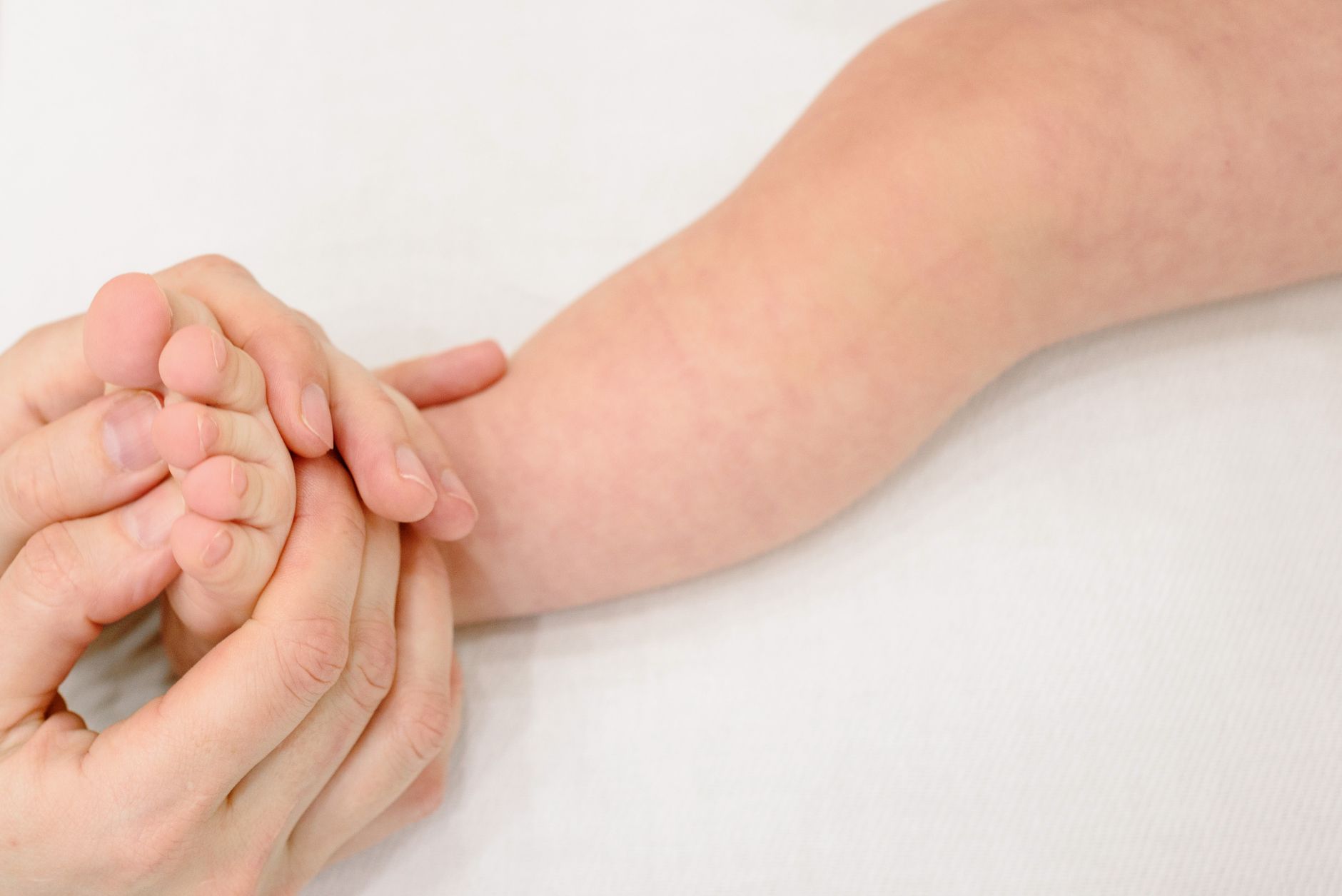
Kombucha, kimchi, sauerkraut, and aged cheeses are trendy health foods, but they all share one trait: they’re loaded with histamine.
Histamine is a compound your body produces during allergic reactions, but it’s also present in fermented and aged foods. In people with reduced histamine-clearing capacity, eating these foods regularly causes flushing, hives, and blotchy redness.
The reaction looks like rosacea or an allergic rash, and it often worsens with alcohol, which also blocks the enzyme (DAO) that breaks down histamine. The face, neck, and chest flush first because blood vessels there are more reactive.
This isn’t a true allergy—it’s a threshold effect. A small serving might be fine, but a second helping or a daily habit pushes histamine levels beyond what the body can process quickly.
Some people develop this sensitivity after gut infections or antibiotic courses that alter the microbiome. Others have a genetic variation that reduces DAO production from birth.
Cutting back on fermented foods for two weeks usually clears the blotchiness, confirming the cause. Reintroducing them slowly reveals personal tolerance levels.
But #5 takes this in a different direction…
#5 — Skin Tags Multiplying on High-Sugar Diets

Skin tags aren’t just cosmetic quirks—they often correlate with insulin resistance, which spikes when sugar intake climbs.
These small, soft growths appear most often on the neck, armpits, and groin, areas where skin rubs against itself. Research links their proliferation to elevated insulin and insulin-like growth factor, both of which increase when blood sugar stays chronically high.
People who add desserts, sweetened drinks, or processed snacks to their daily routine often notice new tags appearing over the course of several months. The tags themselves are benign, but they’re a visible marker of what’s happening internally.
Dermatologists sometimes use skin tag counts as a screening prompt for prediabetes or metabolic syndrome.
Losing weight and reducing sugar intake can slow or stop new tag formation, though existing ones don’t disappear without removal. The skin is broadcasting a metabolic message that many people miss.
The tags are technically harmless, but their appearance is a signal worth acting on before blood sugar issues progress. It’s one of the few skin changes that reflects systemic metabolic health in real time.
And #4 gets more specific…
#4 — Cracked Lip Corners From B-Vitamin Gaps
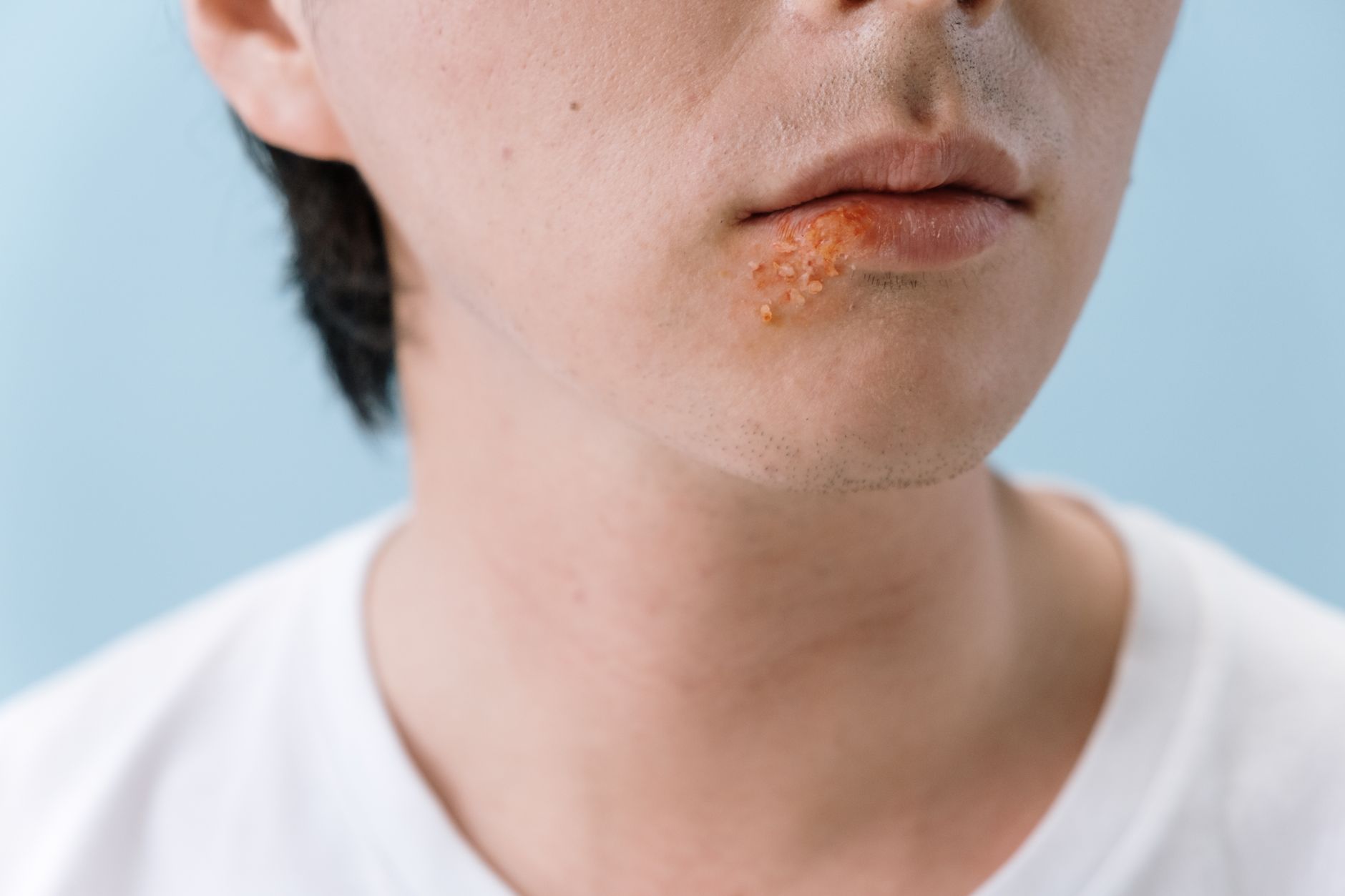
Angular cheilitis—painful cracks at the corners of the mouth—often points to riboflavin or iron deficiency, not a fungal infection.
The corners of the mouth are high-stress zones where skin stretches and folds constantly. When B vitamins drop, tissue repair slows, and those areas can’t keep up with daily wear.
Restrictive diets that eliminate grains, dairy, or eggs often cut out the main dietary sources of riboflavin (B2). The cracks appear within weeks, sometimes accompanied by a sore tongue or dry lips.
People mistake this for a cold sore or yeast infection and treat it with antifungals or antivirals that don’t help. The real fix is nutritional: adding fortified cereals, dairy, or a B-complex supplement.
The cracks heal quickly once the deficiency is addressed, often within five to seven days.
Iron deficiency can produce the same symptom through a different mechanism—reduced oxygen delivery to tissues slows healing. A complete blood count distinguishes between the two causes.
Some people develop this during elimination diets for food sensitivities, where entire nutrient groups disappear for weeks. The skin around the mouth is an early warning system for those gaps.
Now we’re at #3…
#3 — Rough, Bumpy Upper Arms From Low Vitamin A

Keratosis pilaris—those tiny, rough bumps on the backs of the arms—often flares when vitamin A intake drops.
Vitamin A regulates skin cell turnover and keratin production. Without enough, keratin builds up around hair follicles, creating the characteristic “chicken skin” texture that neither scrubbing nor moisturizing seems to fix.
Low-fat diets are a common trigger because vitamin A is fat-soluble and found in highest concentrations in liver, dairy fat, and egg yolks. Plant-based beta-carotene converts to vitamin A, but the conversion rate is low and varies widely between individuals.
The bumps worsen in winter when skin is drier and people eat fewer fresh vegetables. They improve in summer, which many attribute to sun exposure, but the real driver is often increased intake of colorful produce.
Topical retinoids smooth the bumps temporarily, but they return unless the underlying deficiency is corrected.
Adding small amounts of liver, cod liver oil, or full-fat dairy often clears the bumps within a month. The skin’s texture is a direct readout of vitamin A status in many people.
But #2 is the one most people miss…
#2 — Slow Wound Healing on Prolonged Low-Protein Diets
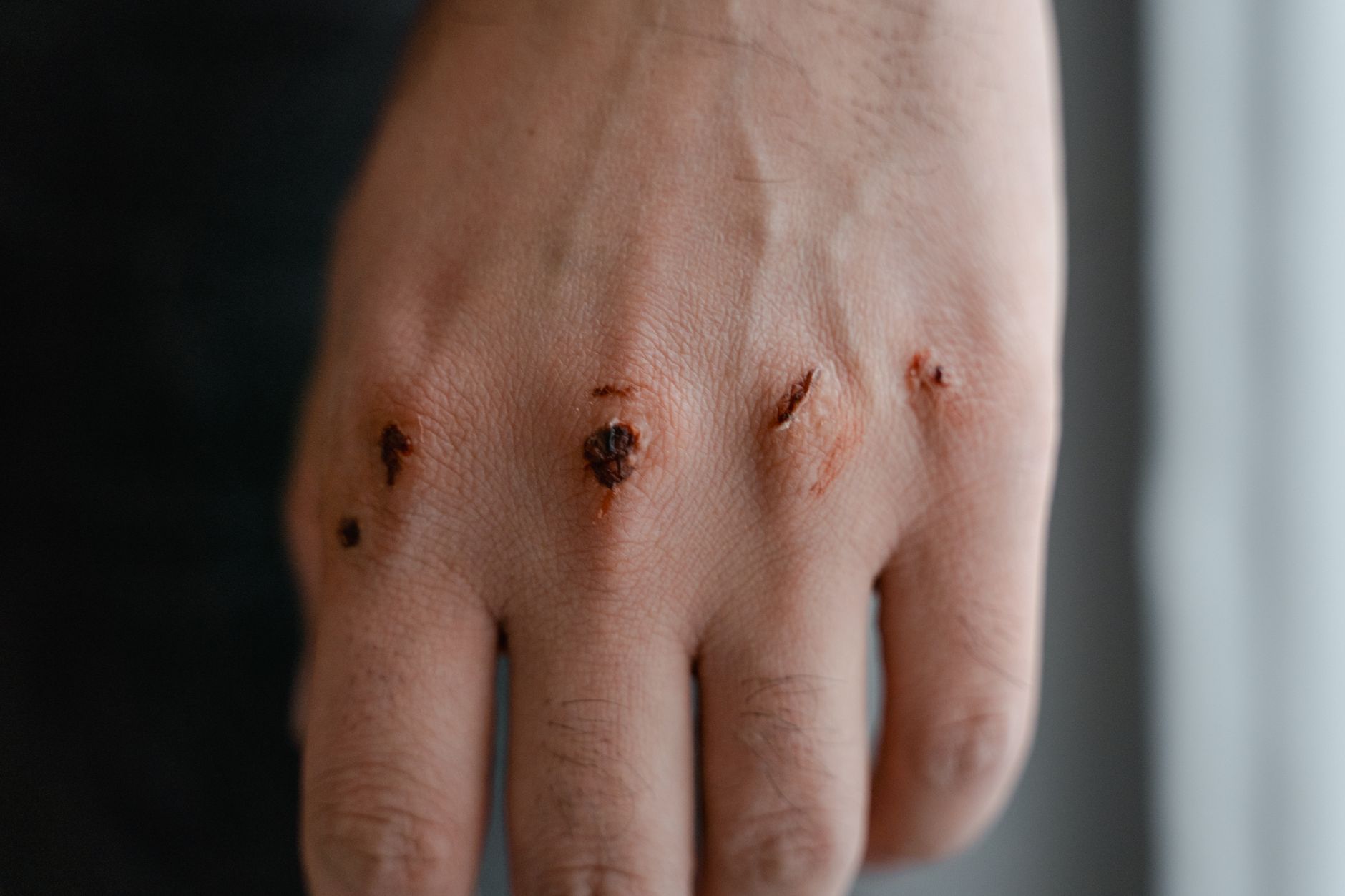
When minor cuts and scrapes take weeks to close instead of days, protein deficiency is often the hidden cause.
Your body builds new skin cells from amino acids, and collagen—the structural protein in scar tissue—requires specific amino acids like proline, glycine, and lysine. When dietary protein drops below about 0.8 grams per kilogram of body weight, tissue repair slows noticeably.
The effect is gradual, so people don’t connect a diet change from months earlier to a cut that won’t heal now. Elderly individuals on reduced appetites and young people on extreme calorie restriction both show this pattern.
Wounds stay red and inflamed longer because the immune system can’t build new tissue fast enough to close the gap. Secondary infections become more likely as the wound remains open.
Surgeons routinely check protein levels before elective procedures because low levels predict complications and delayed healing.
Increasing protein intake reverses the problem, but it takes two to three weeks for the body to rebuild its amino acid reserves. Existing wounds start to improve within days once adequate protein resumes.
And finally, #1…
#1 — Thinning Hair and Brittle Strands From Crash Dieting

Hair loss is one of the most distressing diet-related skin changes, and it shows up three to four months after severe calorie restriction begins.
Hair follicles operate on a growth cycle, and when the body perceives starvation, it shunts resources away from non-essential functions like hair production. The follicles enter a resting phase called telogen, and the hair they were supporting falls out weeks later.
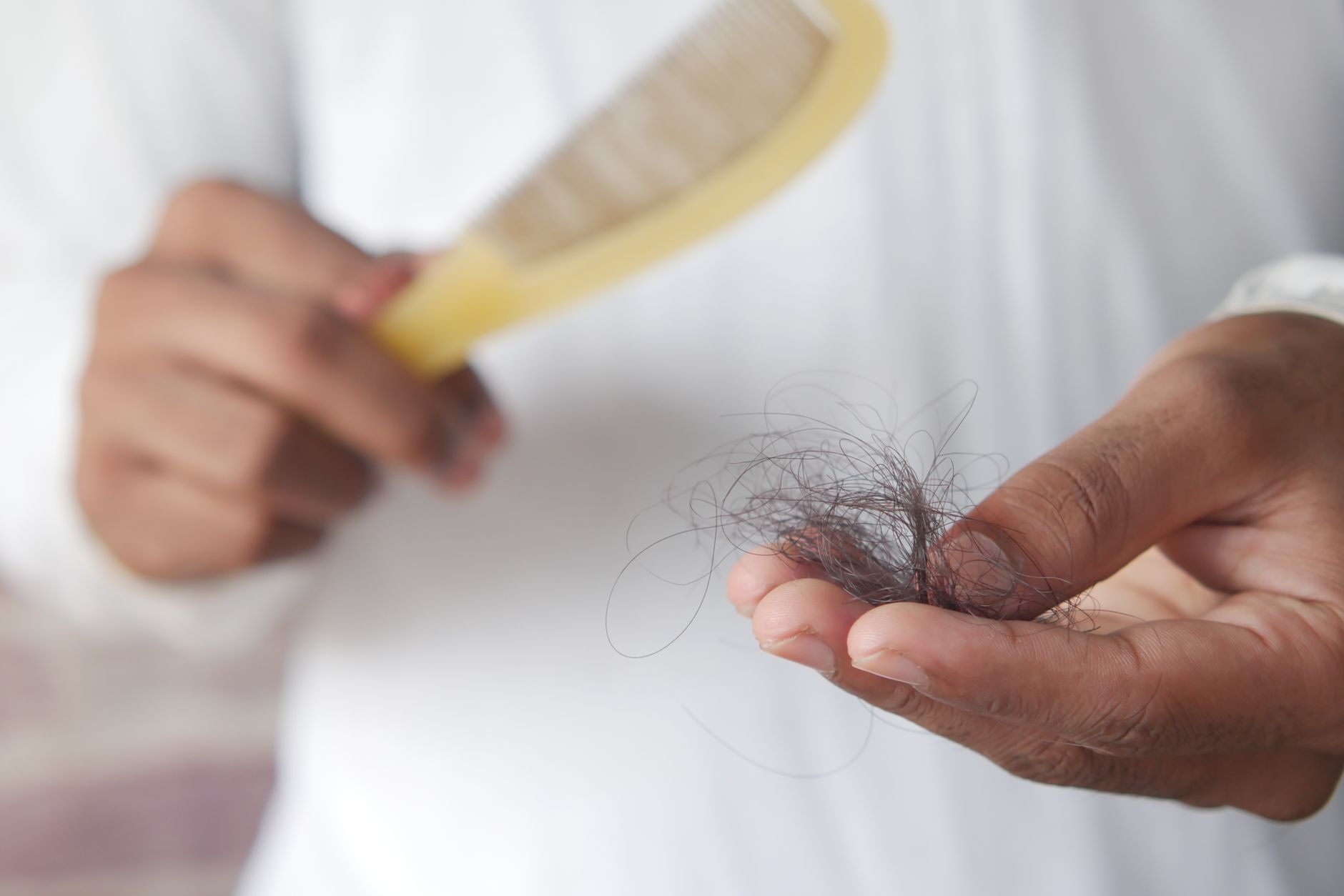
This condition, telogen effluvium, is temporary but dramatic. People notice alarming amounts of hair in the shower drain and on their brush, often without connecting it to a diet from months before.
Crash diets under 1,200 calories, very low-carb plans without adequate fat and protein, and post-surgical liquid diets all trigger this response. The hair doesn’t thin evenly—some people lose more at the temples or crown.
The hair that grows back is often finer and lighter in color until the follicle fully recovers.
Protein, iron, zinc, and biotin are the most critical nutrients for hair health. Deficiencies in any of them worsen the shedding or delay regrowth.
Unlike other skin changes on this list, hair loss is rarely reversible in the short term. Prevention is the only reliable strategy, which means avoiding extreme restriction and ensuring balanced nutrition even during weight loss.
The Bottom Line
Your skin, nails, and hair are constantly broadcasting your nutritional status, often months before blood tests show deficiencies. Most of these changes reverse completely once the dietary gaps are filled, without medical intervention.
The patterns are consistent: sudden shifts in macronutrients, elimination of entire food groups, or prolonged undereating all leave visible marks. What looks like a skin condition is often just your body adapting to what you’re feeding it.
The good news is that you control the fix. Adjusting your diet is faster and cheaper than treating a misdiagnosed condition with creams, medications, or procedures.
Did we miss one? Drop it in the comments.